Why does amiodarone need an in-line IV filter?

SUMMARY:
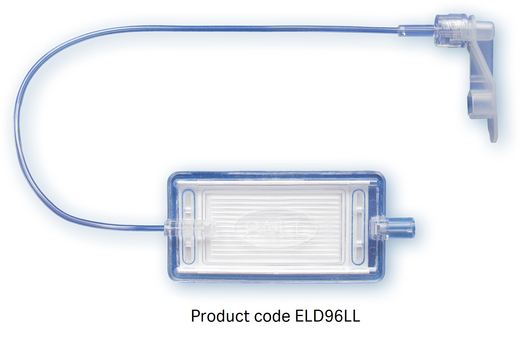
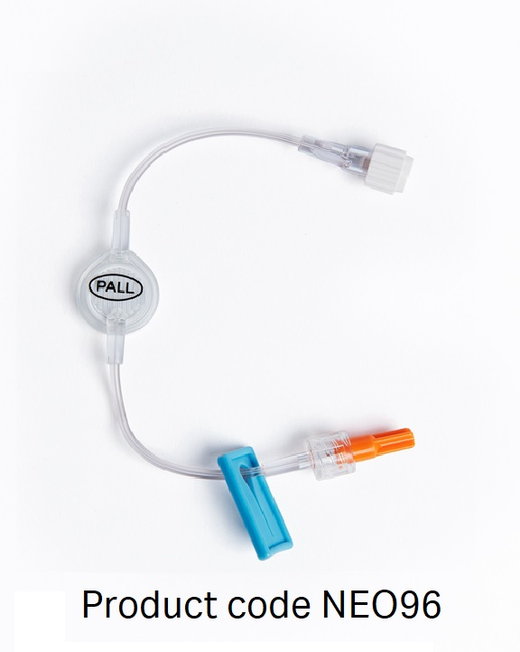
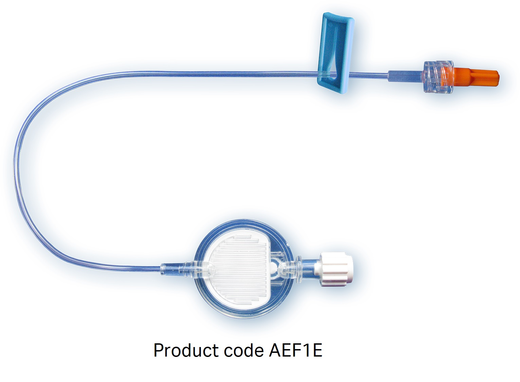
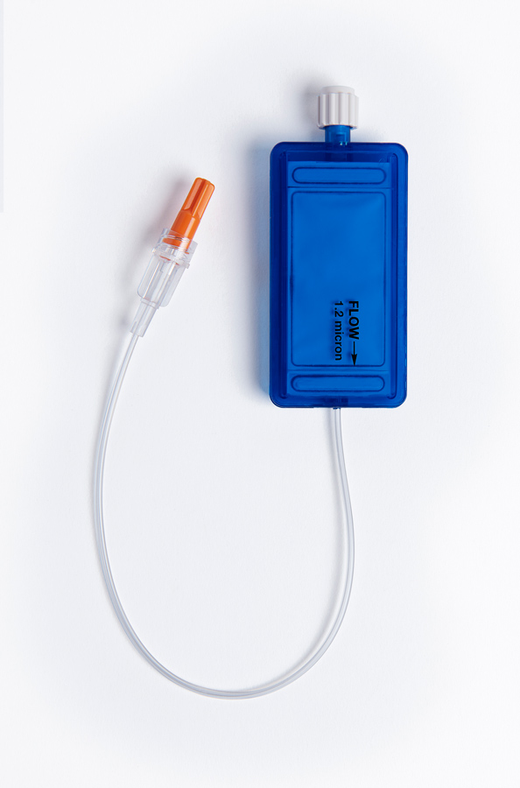
IV amiodarone has been shown to be linked to high rates of phlebitis. The use of IV filters and nursing guidelines have been shown to reduce phlebitis severity and incidence. Pall Medical data on filterability through ELD96 and AEF families of in-line IV filters is available.
What’s the problem?
Amiodarone - a well-known drug against heart arrhythmia, which is linked to high rates of phlebitis 1, a painful inflammation of the veins. Does amiodarone need a filter? Read more to find out.
Amiodarone filter purpose
A recent systematic review of articles published before 2016 showed that phlebitis incidence was lower with bolus administration of amiodarone than with longer infusions (P=0.002). Additionally, the use of in-line IV filters and nursing guidelines for amiodarone administration significantly reduced phlebitis rates (P<0.001), with one study also showing a reduction in phlebitis severity 3.
What about drug concentration and flush kinetics?
Studies have reported reduced phlebitis rates when in‑line IV filtration was used under their specific conditions. How might the presence of a filter affect drug concentration and flush kinetics?
Do filters bind amiodarone, in effect changing the concentration of the infusion?
Do filters impair the flush kinetics and, therefore, the ability to flush residual amounts of amiodarone from the infusion system when more than one drug is administered in sequence (particularly if they are incompatible)?
Available internally produced data from tests performed using AEF1 and ELD96 family filters at low concentrations of amiodarone indicate minimal adsorption under the specific conditions evaluated.
Explore our IV filtration solutions
References
- Norton L, Ottoboni LK, Varady A, Ynag-Lu C-Y, Becker N, Cotter T, et al. Phlebitis in amiodarone administration: incidence, contributing factors, and clinical implications. Am J Crit Care. 2013;22(6):498-505. doi:10.4037/ajcc2013460.
- Washington G, Barrett R. Peripheral phlebitis. A point prevalence study. J Infus Nurs. 2012;35(4):252-258. doi:10.1097/NAN.0b013e31825af30d.
- Oragano CA, Patton D, Moore Z. Phlebitis in Intravenous Amiodarone Administration: Incidence and Contributing Factors. Crit Care Nurse. 2019;39(1):e1-e12. doi:10.4037/ccn2019381.
- Capewell A. Filterability of Amiodarone Through Pall ELD Family and AEF1E Filters. Pall SLS Medical Europe Technical Report. 180115.1|GL. Published [2018 June].
Author bio
Dr. Volker Luibl, MBA
Dr. Luibl is a Sr. Marketing Manager Medical Content with knowledge in medical device and clinical science.
Need expert help with medical filtration? We can assist you!
Share your needs and our specialists will deliver tailored solutions.
Our in-line IV filters