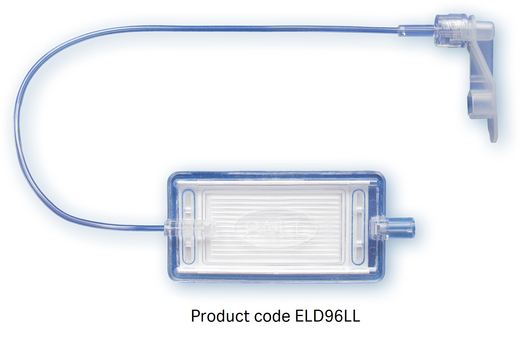
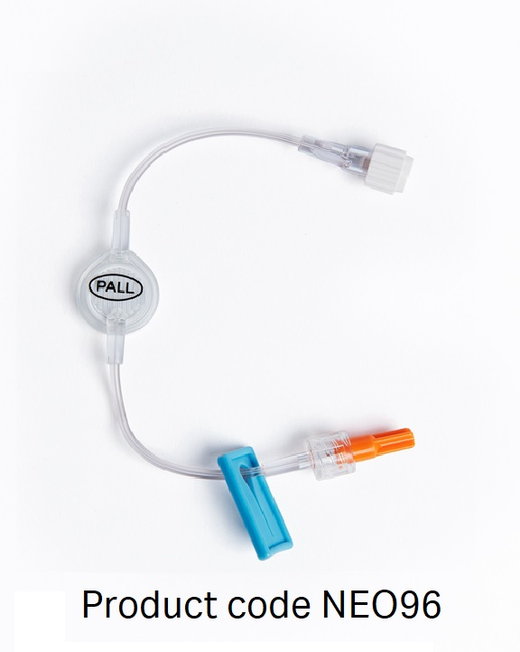
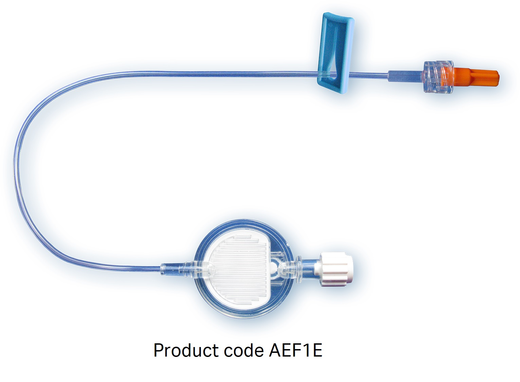
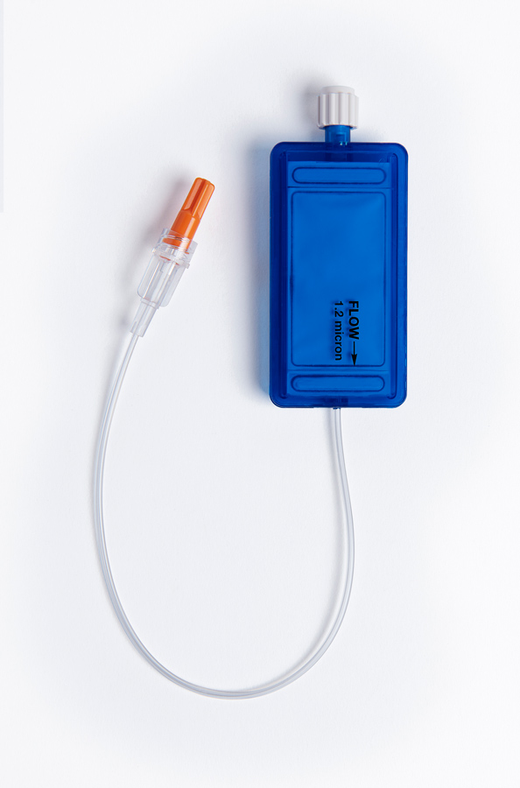
Economic impact: studies suggest that in-line IV filters reduce the length of stay in ICUs and hospitals

SUMMARY:
Studies show that in-line IV filters lead to a significant reduction in length of stay (LOS) in both pediatric and adult ICUs, translating into substantial economic benefits. One German study reported that a €50K investment in IV filters generated a return of €1.6M by reducing PICU LOS. Additional studies confirm that filters save costs through fewer infusion set changes, reduced drug use (e.g., antibiotics), lower staff workload, and earlier patient discharge, all of which free ICU capacity and increase hospital efficiency.

How do in-line IV filters reduce hospital costs and length of stay?
The impact of particles or the impact of in-line IV filters retaining particles on ICU patients has been in the spotlight of researchers and clinicians since 2008. Pall Medical IV filter has been and continues to be a driving force in this regard.
Several animal studies and human clinical trials have demonstrated the clinical benefits of using Pall Medical in-line IV filters.
- Animal models demonstrate that infusion of particles pose a major threat to critical tissue perfusion and that in-line IV filters prevent further reduction of postischemic functional capillary density. The results of the animal studies suggest that “in-line filters have potentially enormous relevance for patients with prior microvascular compromise of vital organs (i. e. post trauma, major surgery, sepsis).”1,2
- Human clinical trials suggest that in-line IV filters have a positive impact on ICU patients by preserving organ functions and reducing inflammation rates.3-5
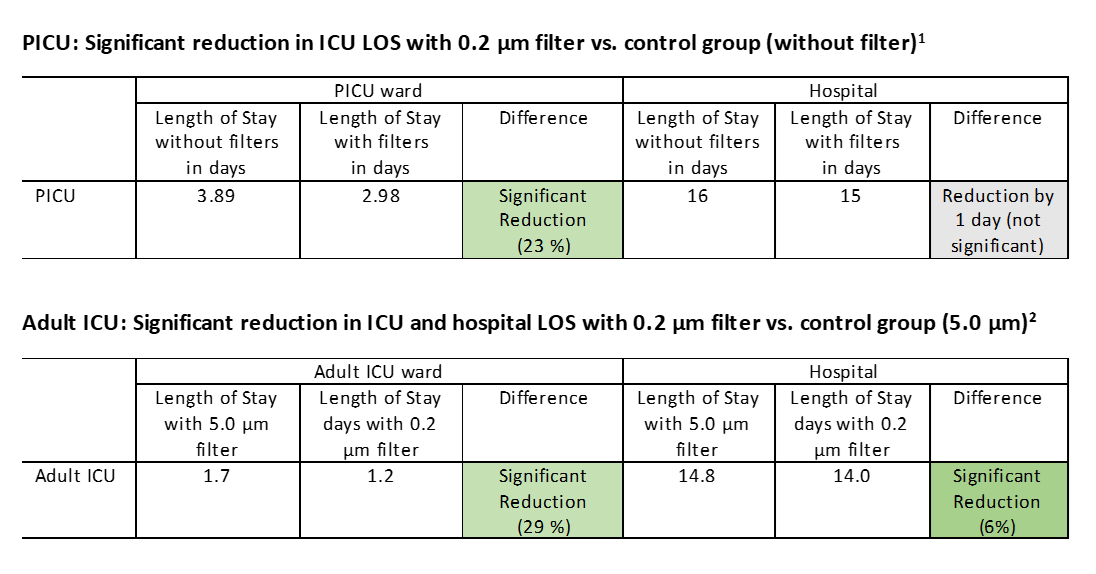
- Schmitt et al. compared in a clinical trial with in critically ill adult patients a fine filter (with 0.2/1.2 μm filters, n = 1506) vs. a control filter cohort (with 5.0 μm filters, n = 1506). They demonstrated a reduction of length of ICU (1.2 (0.6–4.9) vs 1.7 (0.8–6.9) days; P < 0.01) and hospital stay (14.0 (9.2–22.2) vs 14.8 (10.0–26.8) days; P = 0.01).2
- Jack et al. demonstrated in a single-centre, prospective, randomized controlled trial with critically ill children admitted to a pediatric intensive care unit a significantly reduction on the length of stay (3.89 [95 % confidence interval 2.97-4.82] vs. 2.98 [2.33-3.64]; P = 0.025) and duration of mechanical ventilation (14.0 [5.6-22.4] vs. 11.0 [7.1-14.9] h; P = 0.028) were significantly reduced.1
Explore our IV particle retention solutions
FAQs
How can in-line IV filters reduce hospital costs?
By minimizing complications and shortening ICU stays, filters lower overall treatment costs and resource utilization. 1-3
What clinical benefits do IV in-line filters provide?
Studies have shown that in-line IV filtration may have a number of clinical benefits including preservation of organ function and complications in ICU. 1-2
What evidence supports the use of in-line IV filters?
There are many studies, literature reviews, guidelines and information from manufacturers supporting the use of in-line IV filters. 1-5
Which patients benefit most from in-line IV filters?
Patients with prior microvascular compromise, such as those recovering from trauma, major surgery, or sepsis. 1-2
References
- Jack T. et al. (2012). In-line filtration reduces severe complications and length of stay on pediatric intensive care unit: a prospective, randomized, controlled trial. Intensive Care Med; 38: 1008-1016
- Schmitt E. et al. (2019). In-line filtration of intravenous infusion may reduce organ dysfunction of adult critical patients. Critical Care; 23 (373): 1-11
- Unger-Hunt L. (2019). Reducing Risks and Generating Economic Benefits. Health Management; 19(4): 286-287
- van Lingen R.A., Baerts W., Marquering A.C., Ruijs G.J. (2004). The use of in-line intravenous filters in sick newborn infants. Acta Paediatr; 93: 658-662
- Van den Hoogen A., Krediet T.G., Uiterwaal C.S., Bolenius J.F., Gerards LJ., Fleer A. (2006) In-line filters in central venous catheters in a neonatal intensive care unit. J Perinat Med; 34: 71-74
Author bio
Dr. Luibl is a Sr. Marketing Manager Medical Content with knowledge in medical device and clinical science.
Need expert help with medical filtration? We can assist you!
Share your needs and our specialists will deliver tailored solutions.
Our in-line IV filters