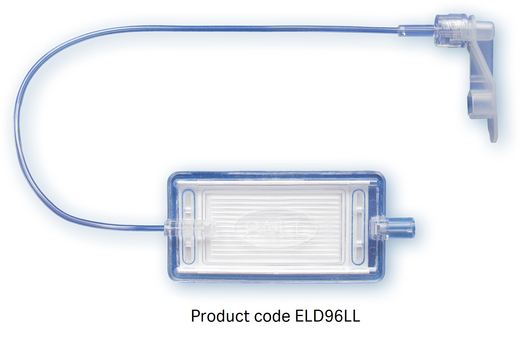
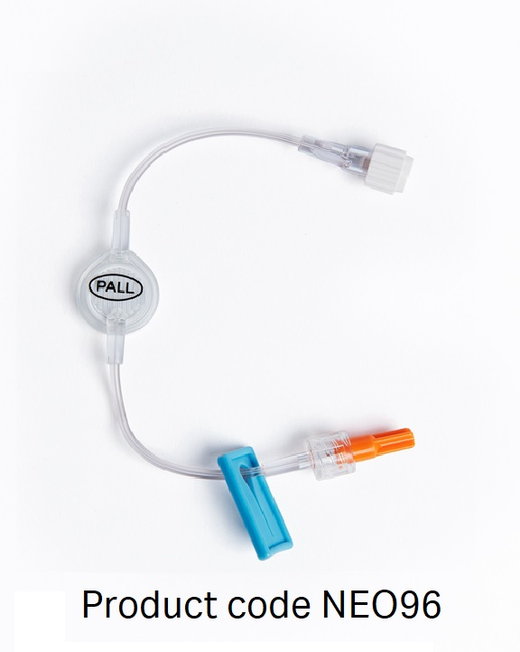
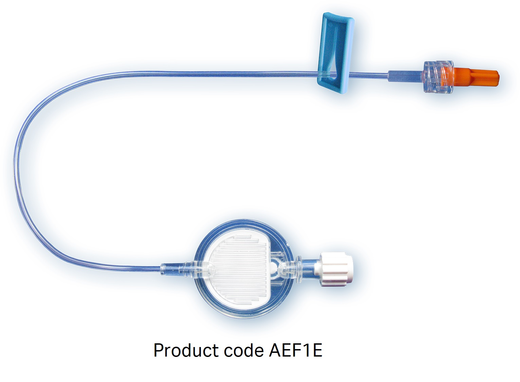
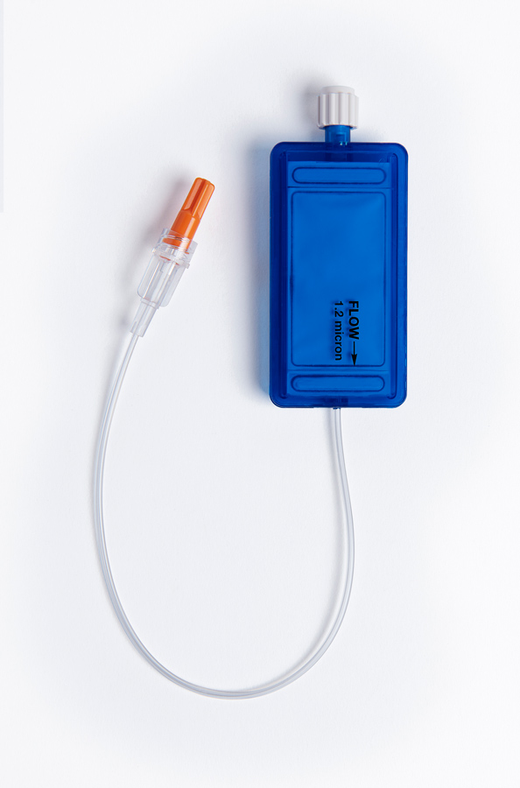
Managing the risk of enlarged lipid droplets with our 1.2 µm In-line IV filter

SUMMARY:
It is important to manage the size and number of lipid droplets >5 µm within IV fat infusions (emulsions and lipid containing admixtures). Our TNA1 1.2 µm in-line IV filter has been shown to trap enlarged lipid droplets and maintain stability of the remainder of the infusion.
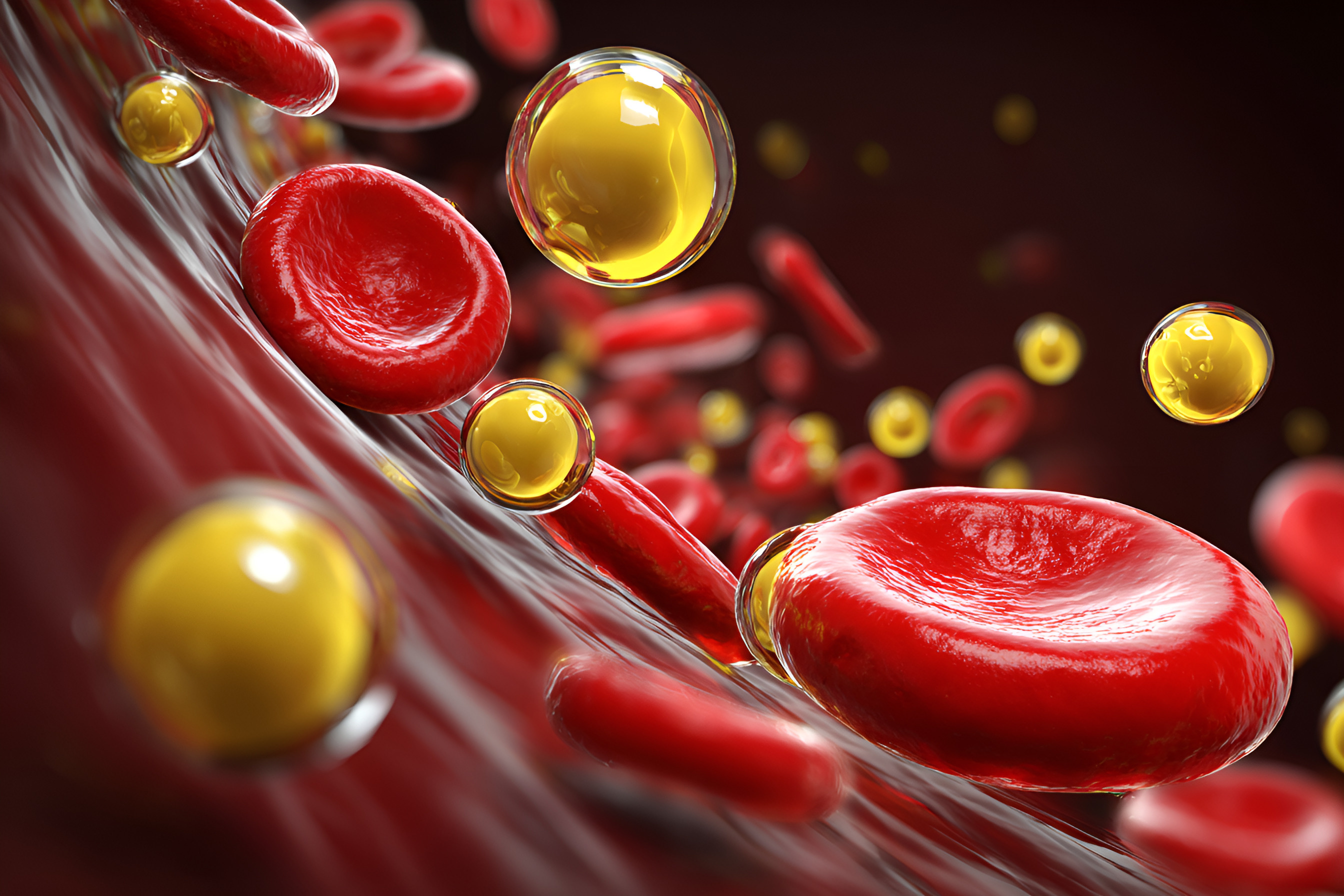
How do 1.2 µm IV filters can improve the safety of lipid parenteral nutrition?
It is important for commercially available intravenous fat emulsions that the PFAT5 (the percentage of fat droplets with a size >5 µm) is consistently <0.05%. If the PFAT5 level is >0.05%, the lipid emulsions may be instable and potentially harmful to patients1.
Driscoll et al. from the Harvard Medical School conducted a study to investigate if:
- a commercially available 1.2 µm in-line filter (Pall TNA1 1.2 µm filter) protect against the passage of abnormally large and potentially dangerous lipid droplets (sizes of >5 µm) in asimulated infusion model with a parenteral infusion pump2.
The authors noted four results2.
- The 1.2 µm TNA1 in-line filter reduced significantly clinically meaningful unstable lipid droplets (>5 µm).
- Not once in the 24-hour infusion period did the filter occlude nor was the flow rate accuracy of the pump compromised, despite the influence of highly unstable Total Nutrient Admixtures formulations with PFAT concentrations a high as 2.75% in the pre-filtrate.
- As the 1.2 µm TNA1 in-line filter was able to trap enlarged and potentially dangerous lipid droplets, it also did not induce instability in the otherwise stable lipid droplets.
- No significant interaction effects were noted between treatment and time.
Explore our IV Parenteral solutions
References
- Blackmer A.B. & Partipilo M.L. (2015). Three-in-One Parenteral Nutrition in Neonates and Pediatric Patients: Risks and Benefits. Nutrition in Clinical Practice; 30(3): 337–
343 - Driscoll D.F. et al. (1996). Effects of in-line filtration on lipid particle size distribution in total nutrient admixtures. JPEN J Parenter Enteral Nutr; 20(4): 296-301
Author bio
Dr. Volker Luibl is a Sr. Marketing Manager Medical Content with knowledge in medical device and clinical science.
Need expert help with medical filtration? We can assist you!
Share your needs and our specialists will deliver tailored solutions.
Our in-line IV filters